
To see near me
Click on the first button to let the system locate you, or use the first text box to enter your address; adjust the search area if necessary, then confirm by clicking the second button!
2 km
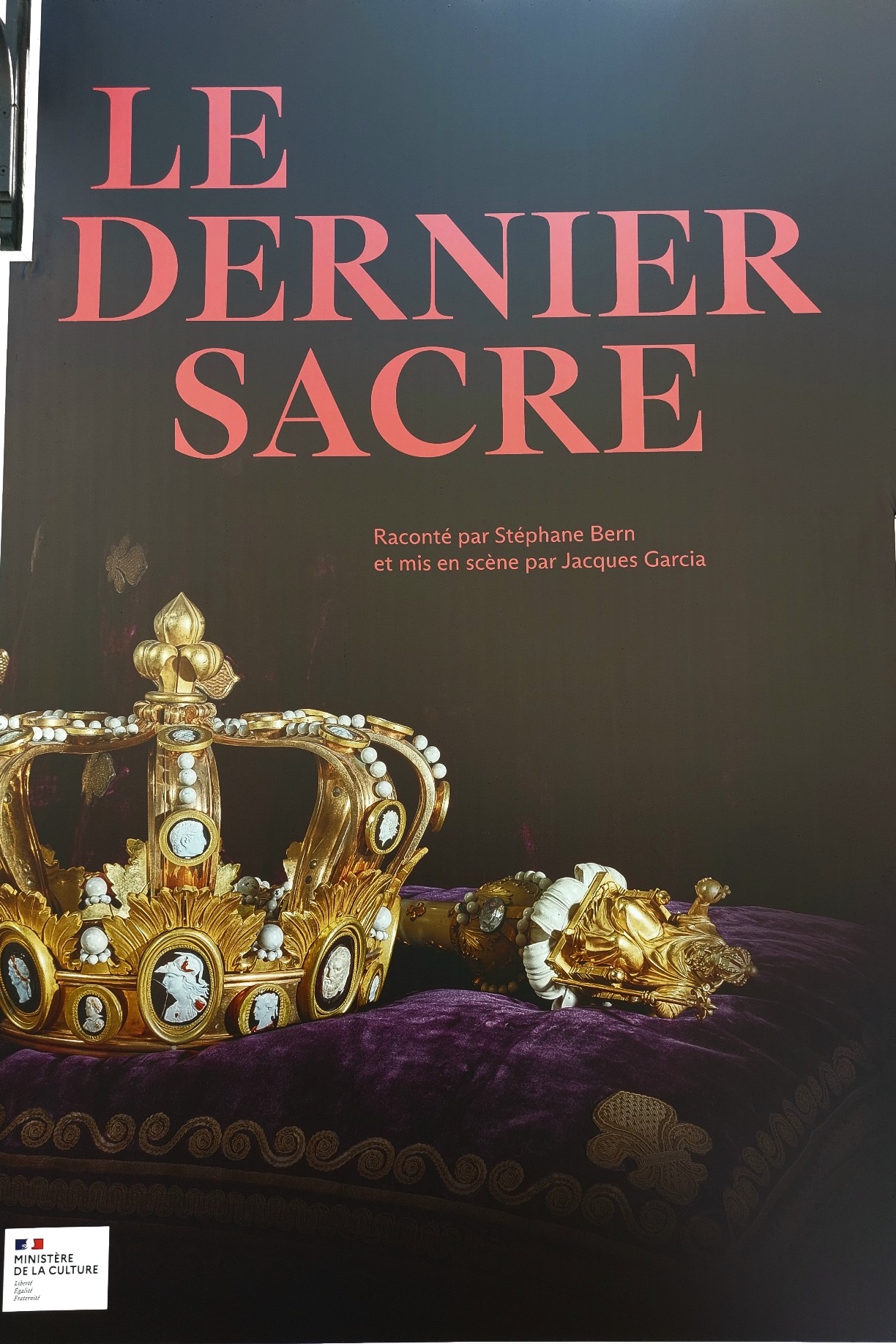
Musée national de la Légion d’honneur et des ordres de chevalerie
Located in front of the Musée d'Orsay, this museum was created in 1925 and renovated in 2006. It takes visitors on an unusual journey through time and human destiny, with 5,000 objets d'art and decorative items from France and around the world.
2 km
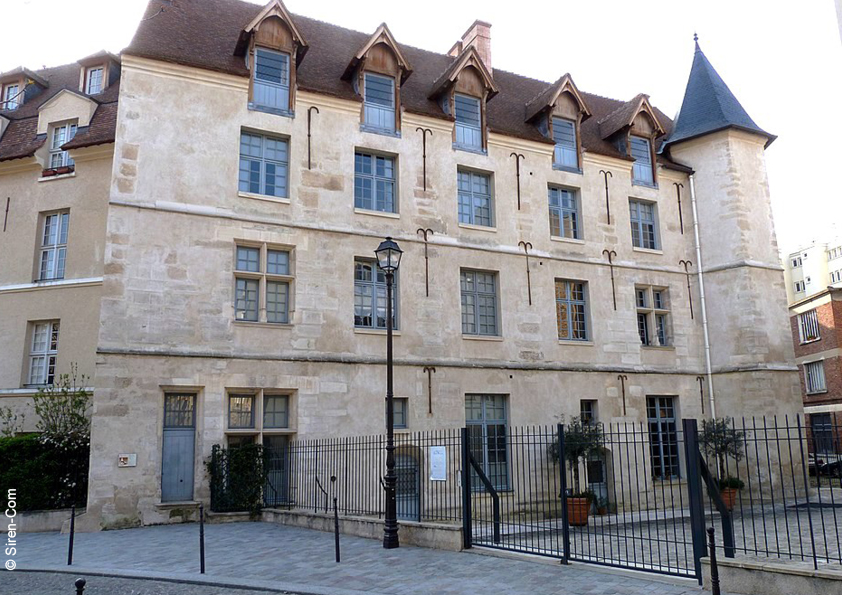
Îlot de la Reine Blanche
A collection of beautiful buildings dating from the 15th, 16th and 17th centuries and listed as Historic Monuments. This block, including the Château de la Reine Blanche, was once a royal and then an industrial center, with the Bièvre River nearby, now covered over.
Until
19 July
2 km
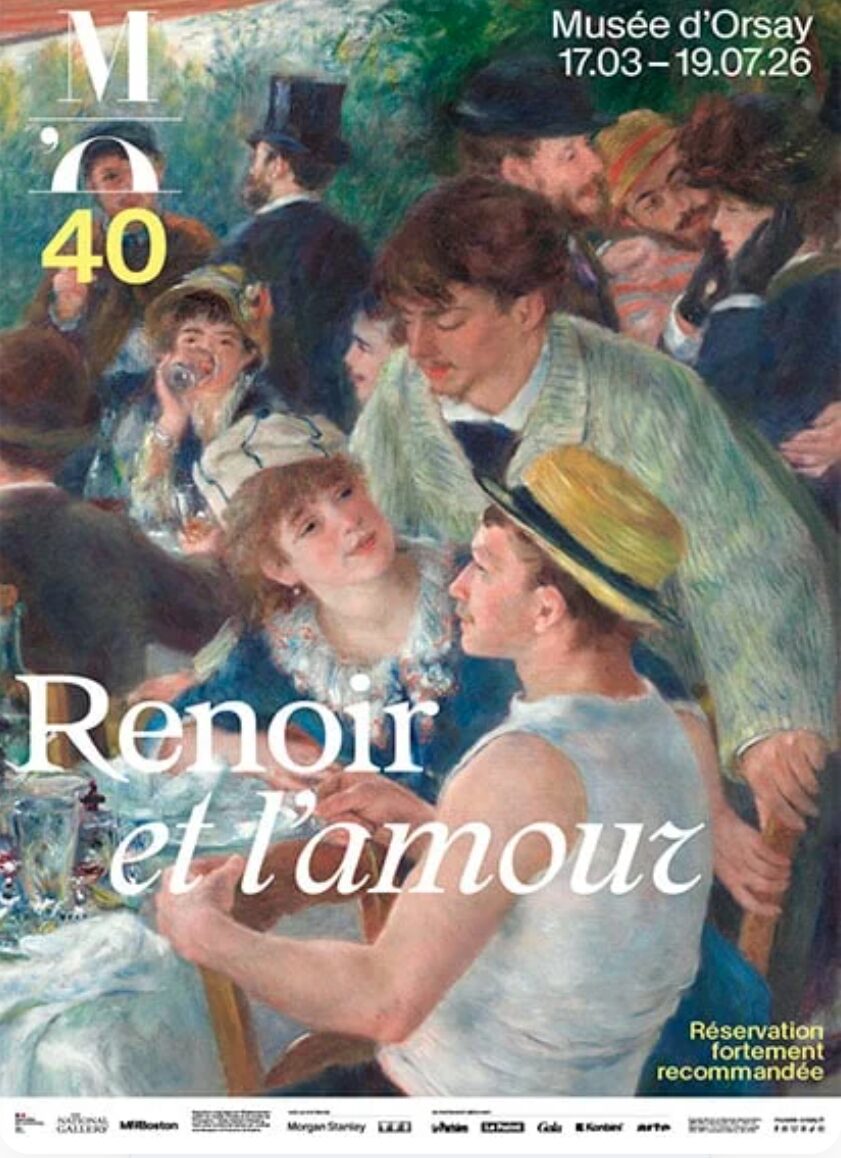
Renoir and love. The Happy Modern Age (1865–1885)
This exhibition brings together ‘scenes of modern life’ – multi-figure paintings depicting contemporary subjects (as distinct from portraits and landscapes) – created by Renoir during the first twenty years of his career (1865–1885). It also highlights her predilection for depicting young couples, without this being "sentimental".
Until
5 July
2 km
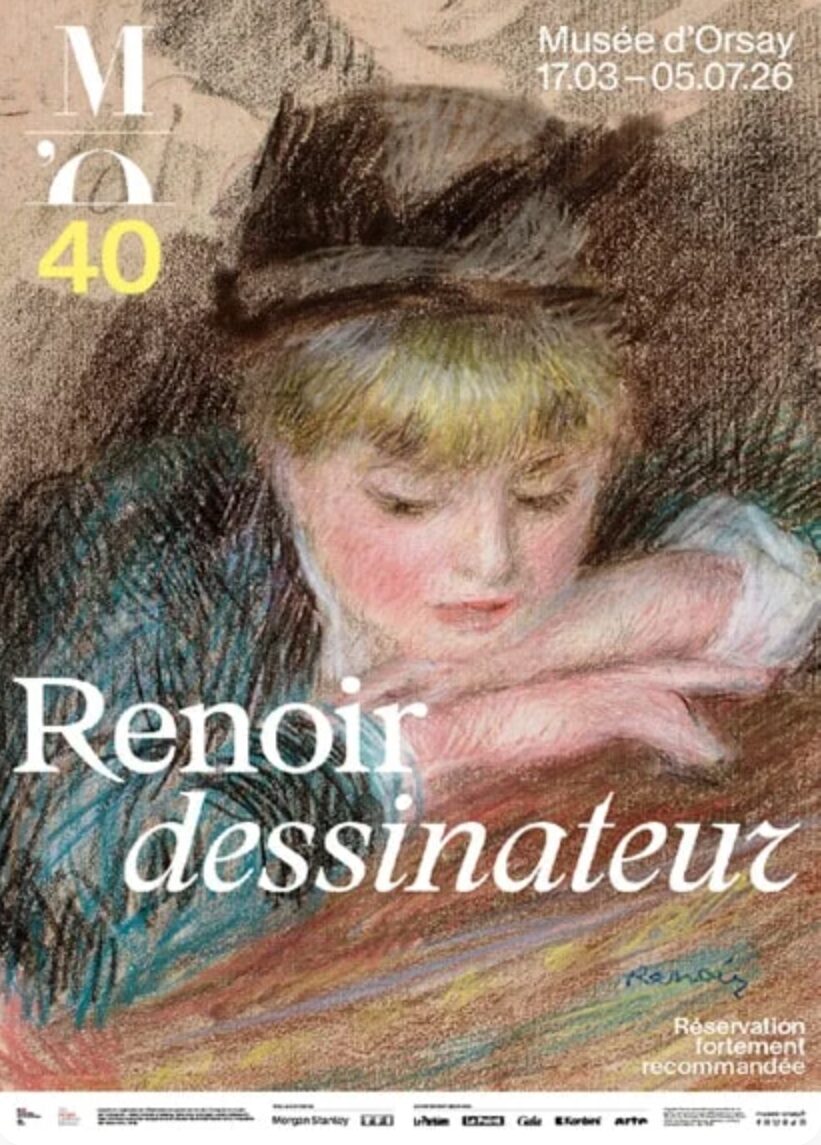
Renoir the draughtsman
This exhibition, the first to focus on Renoir’s works on paper, highlights the importance of graphic techniques in the development of his art. It reveals the close links between his paintings and his drawings, particularly from the 1880s onwards, when Renoir moved away from Impressionism but continued to reinvent himself.
2.1 km
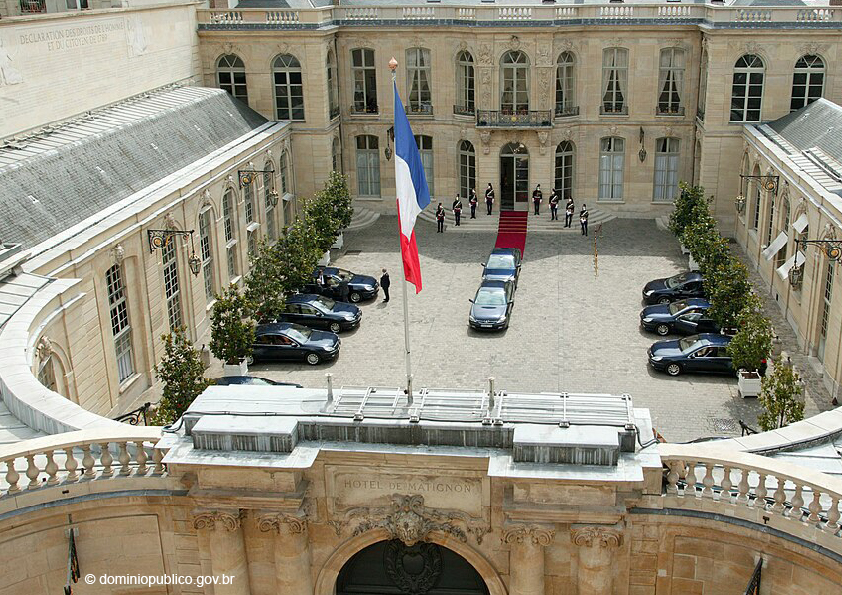
Hôtel de Matignon
The official residence of the French Prime Minister.
2.1 km
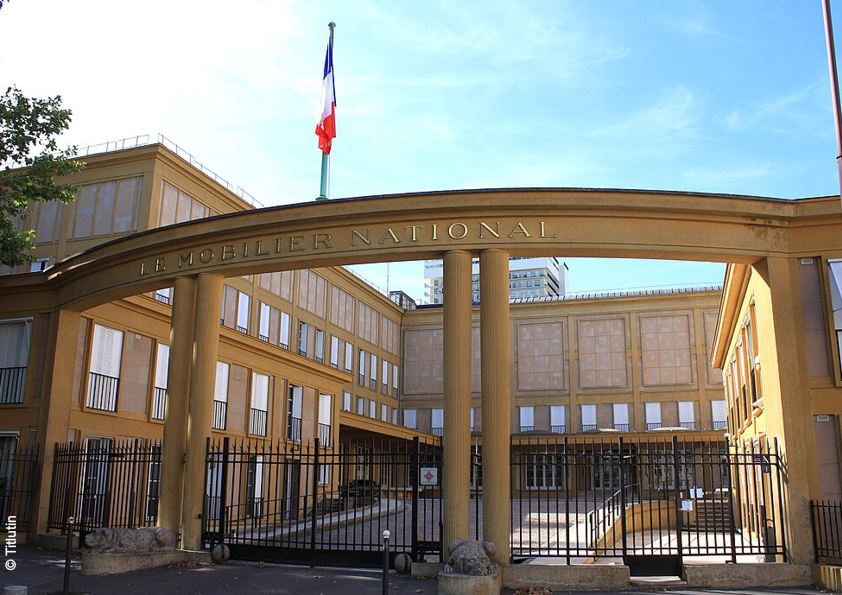
Mobilier national
Formerly the crown's furniture repository, created in 1663 by Louis XIV and Colbert, the Mobilier National is now responsible for furnishing the Republic's official palaces: the Élysée Palace, ministries, etc. It has been housed in a reinforced concrete building since 1937.
2.2 km
Loebnitz Pottery Works
The building, constructed in 1884, was designed by Paul Sédille, the architect behind the Printemps department stores. It housed the Loebnitz earthenware factory until 1935. Note the splendid ceramic panels between the first and second floors.
2.2 km
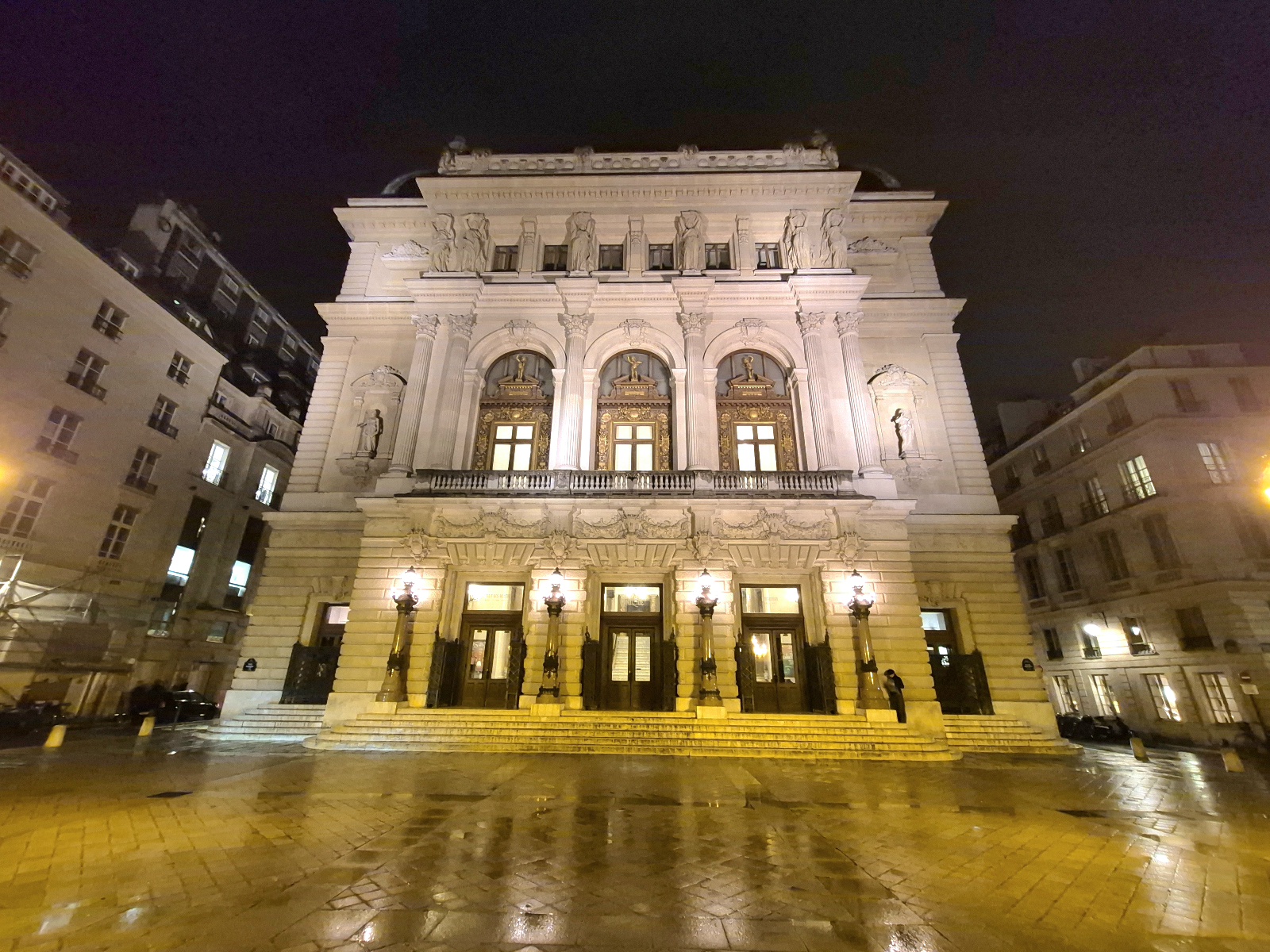
Opéra-Comique
Also known as the Salle Favart (the third to bear that name), the Opéra-Comique was opened in December 1898. Its architecture draws on the principles of Italian palaces, with a majestic façade adorned with numerous statues. It was here that Bizet's « Carmen » was created. Comic opera is a distinct musical genre that combines sung arias with spoken theatre, unlike opera, which is performed entirely in song.
2.2 km
Montparnasse Cemetery
This cemetery opened in July 1824. Covering an area of 19 hectares, it is the second-largest cemetery within the city limits of Paris. This “Southern Cemetery” is the final resting place of many political figures, such as Jacques Chirac, former President of the French Republic, and Simone Veil, a former minister, as well as numerous artists (Charles Baudelaire, Serge Gainsbourg, Camille Saint-Saëns, and others).